



Understanding the Basics of Garden Layout Planning
The foundation of any successful garden starts with a well-thought-out layout plan. Before selecting plants, materials, or decorative features, it is important to understand how the space will be used and how different elements will work together. A good garden layout balances beauty and functionality by considering factors such as movement, focal points, sunlight, and maintenance needs. When exploring how to design a garden layout kdagardenation, starting with a clear plan helps create an organized outdoor space that feels cohesive, practical, and enjoyable throughout the year.
Evaluating Your Space Before Creating a Design

Before creating a garden layout, it is important to understand the unique characteristics of your outdoor space. Spend time observing how much sunlight different areas receive throughout the day, where shade naturally falls, and how water moves after rainfall. These observations can help determine the best locations for planting beds, lawns, seating areas, and other garden features. A design that works with the natural conditions of the site is often easier to maintain and more successful in the long run.
Accurate measurements are another essential part of the planning process. Take note of property boundaries, existing trees, fences, patios, and any permanent structures that cannot be moved. Creating a simple scaled sketch allows you to visualize how different elements will fit together before making changes. When learning how to design a garden layout kdagardenation, a thorough evaluation of the space helps ensure that every part of the garden is used effectively while maintaining a balanced and organized appearance.
Choosing Functional Zones and Garden Features
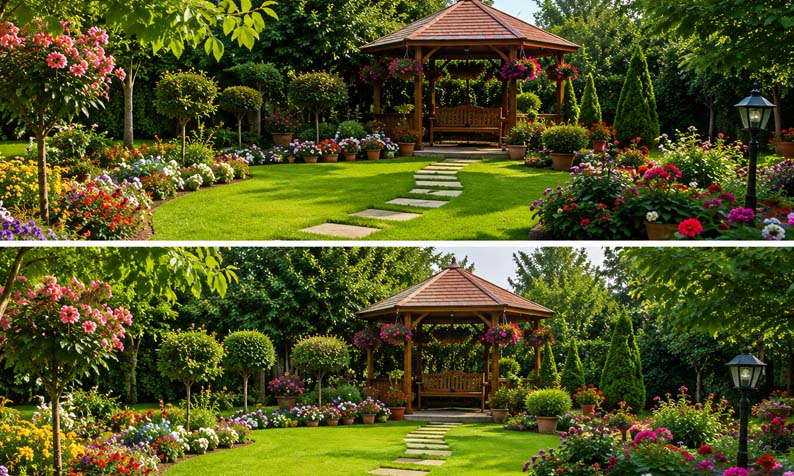
Dividing a garden into functional zones helps create a space that is both attractive and practical. Rather than treating the entire garden as one area, consider assigning specific sections for relaxation, dining, planting, or recreation based on your needs. Features such as pathways, seating areas, raised beds, pergolas, and water elements can then be added to support each zone and improve the overall flow of the landscape. When planning how to design a garden layout kdagardenation, organizing the space into purposeful areas makes the garden easier to use, maintain, and enjoy throughout the year.
Selecting Plants That Complement the Layout
Choosing the right plants is essential for bringing a garden design to life. Instead of selecting plants based solely on appearance, consider factors such as sunlight requirements, soil conditions, mature size, and seasonal interest. A balanced mix of trees, shrubs, perennials, and ground covers can add depth and structure while ensuring the garden remains attractive throughout the year. When following how to design a garden layout kdagardenation, selecting plants that suit both the environment and the overall design helps create a cohesive landscape that is easier to maintain and more enjoyable over time.
Refining the Design for Long-Term Success
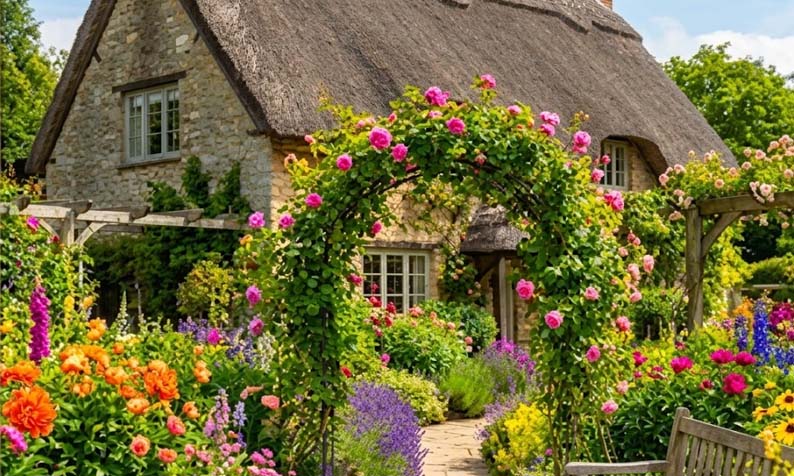
A great garden layout should not only look appealing when first completed but also continue to function well as plants grow and seasons change. Review the design carefully to ensure there is enough space for mature plant sizes, comfortable movement between zones, and easy access for maintenance tasks. Making small adjustments during the planning stage can prevent overcrowding and costly modifications later. When applying how to design a garden layout kdagardenation, focusing on long-term growth, sustainability, and usability helps create a garden that remains beautiful, balanced, and practical for years to come.
Conclusion
Creating a successful garden layout involves much more than arranging plants and decorative features. By understanding the purpose of the space, evaluating site conditions, organizing functional zones, selecting suitable plants, and planning for future growth, you can develop a landscape that is both attractive and practical. Following the principles of how to design a garden layout kdagardenation helps ensure that every part of the garden works together harmoniously, resulting in an outdoor space that can be enjoyed for many years.
Read about Black Kitchen Sink
FAQs
1. What is the first step in designing a garden layout?
The first step is identifying how you want to use the garden and assessing the site’s conditions, including sunlight, soil, and available space.
2. How do I divide my garden into functional zones?
Create separate areas for activities such as relaxing, dining, gardening, or recreation, and connect them with clear pathways.
3. What plants work best in a garden layout?
The best plants are those suited to your climate, soil type, sunlight conditions, and overall design goals.
4. Why is planning important before planting?
Planning helps avoid overcrowding, improves garden flow, reduces maintenance challenges, and creates a more balanced landscape.
